Easter in Prague and the Czech Republic
Easter is an important holiday in the Czech Republic and one of the nicest time of year. For many people, it is less about religion and more about spring, traditions, and time with family.
A Rich History of Easter
Easter traditions in the Czech Republic go back to the Middle Ages. At first, people saw Easter as the end of winter therefore they welcomed spring, new life, and warmer days. Later, Easter became the most important Christian holiday. People went to church and joined religious processions.
In contrast, during the 20th century, things changed. During the communist period, religion was not allowed. As a result Easter lost much of its religious meaning and for most Czechs, it became a celebration of spring again. In fact, this is still true today thus it´s not surprising that only a small number of people visit churches or connect Easter with religion. Furthermore about 10% o people in the Czech Republic do not celebrate Easter at all.
For most families, Easter means spring cleaning, visiting relatives, and simple traditions as well. People paint eggs, bake sweet treats, and also decorate their homes. In villages, certain traditions are still very much alive, however in the bigger towns they start to fade away.
Main Easter Markets in Prague in 2026
Easter markets are a lovely Czech tradition and Prague hosts several beautiful ones. They are colorful, lively, and hence fun to visit.
What You Can Find at the Markets
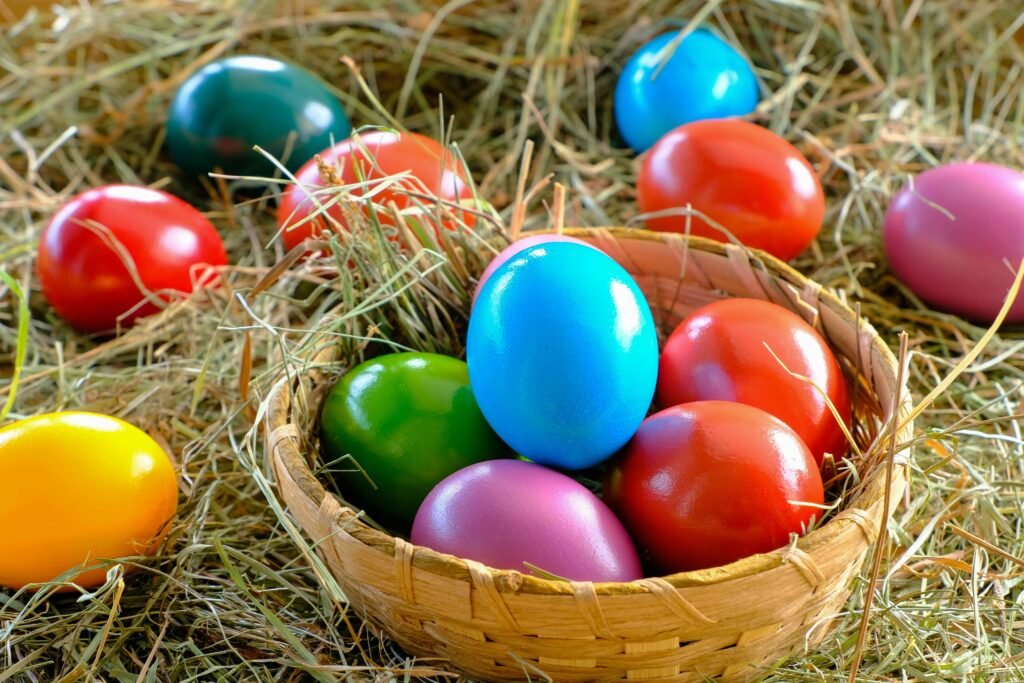
The markets focus on traditional Czech products. You can buy hand-painted eggs, spring decorations, handmade ceramics, wicker and straw items, glass, jewelry, lace, embroidery, wooden toys..
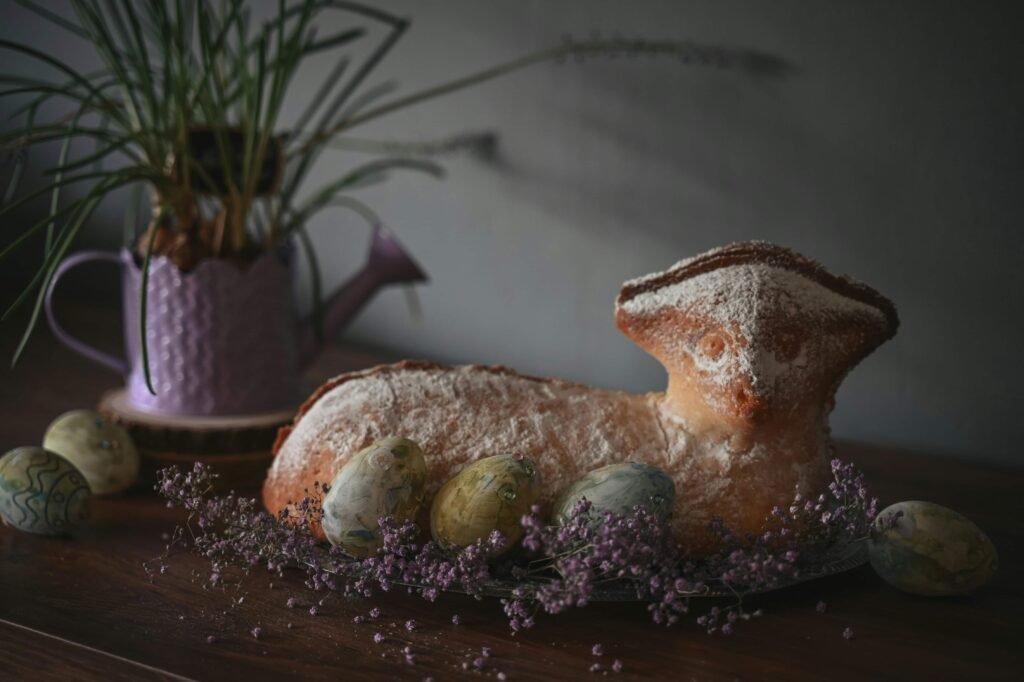
Food is a big part of the experience and it is equally important. Try Czech specialties and Easter sweets like beránek ( lamb cake) and mazanec ( sweet bread)
The markets are full of spring colors. You will see blooming birch branches decorated with colourful ribbons. They symbolize new life and at the same time warmer days.
In 2026, Easter markets are open from March 21 to April 12. Entry is free.
Old Town Square ( Staroměstské náměstí) Market
This is the biggest and most impressive Easter market in Prague. You will find many wooden stalls with colorful decorations.There is also an outdoor stage with music and folk groups performing traditional dances. At the same time you can also watch craftsmen at work. Finally, both kids and adults can join craft workshops, like egg painting or making a traditional willow whip.
Opening hours: 10:00 am – 10:00 pm
Peace Square (Náměstí Míru) Market
This is one of the local easter markets, not right in the city center, but it is just as charming, full of easter decorations. As a result you will meet many locals here, not just tourists. You can get there easily by metro (Náměstí Míru metro station). You can also walk, it is not far from the Wenceslas Square.
This market is open until April 6 only, 10:00 am – 8:00 pm
Wenceslas Square ( Václavské náměstí) Market
This market is only a short walk from Old Town Square. It is smaller but still offers many food and craft stalls.
Opening hours: 10:00 am – 10:00 pm
Smaller Easter Markets
- Kampa Square – ( Kampa) (next to Charles Bridge): 10:00 am – 8:00 pm
- Mariánské Square: ( Mariánské náměstí) 11:00 am – 7:00 pm
- Havel’s Market ( Havelské tržiště): 7:00 am – 7:00 pm
Opening Hours During Easter
Good Friday and Easter Monday are public holidays however in the city center, most places stay open. This includes restaurants, tourist attractions, and Easter markets of course. On Easter Monday, large shops (over 200 m²) must in fact close by law.
Traditional Czech Easter Food
You can try Easter food at markets or in restaurants with special easter menu.
Popular dishes include:
- Veal, goat, rabbit, or duck (often with stuffing) and of course lamb
- Spring soups, spinach, and fresh herbs
- Easter sausages
- Easter stuffing with nettles and herbs
- Eggs in many different forms
Sweet Easter Treats
- Beránek – a sweet cake in a shape of a lamb.
Almost every family has one. People decorate it with sugar, icing and red ribbons - Jidáše – small sweet yeast pastries with honey
They often look like knots or little animals. - Mazanec – a sweet Easter bread containing raisins and almonds
- Boží milosti – fried pastries coated in sugar
Typical Czech Easter Traditions
- Big spring cleaning ( yes, really 🙂Easter starts with serious deep cleaning. People clean their homes, including windows and carpets. It is about starting fresh).
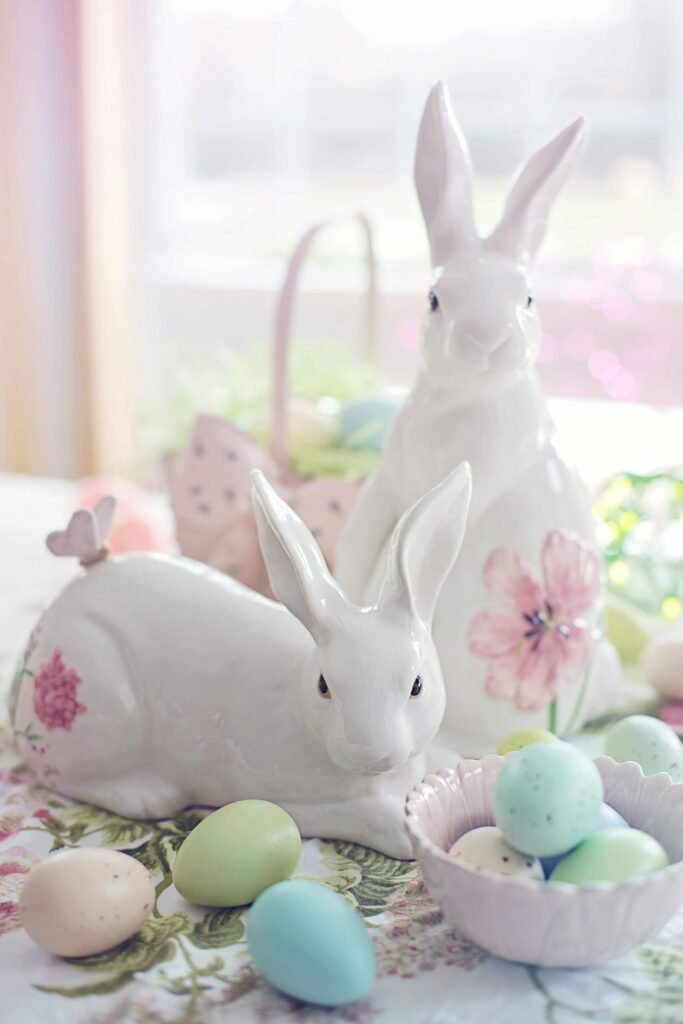
- Decorating the home ( homes fill with spring decorations. People hang green wreaths on doors and put blooming branches in vases. Also chicks, rabbits, and colorful ribbons are everywhere.
- Baking ( Czech people bake beránek, mazanec and jidáše at home)
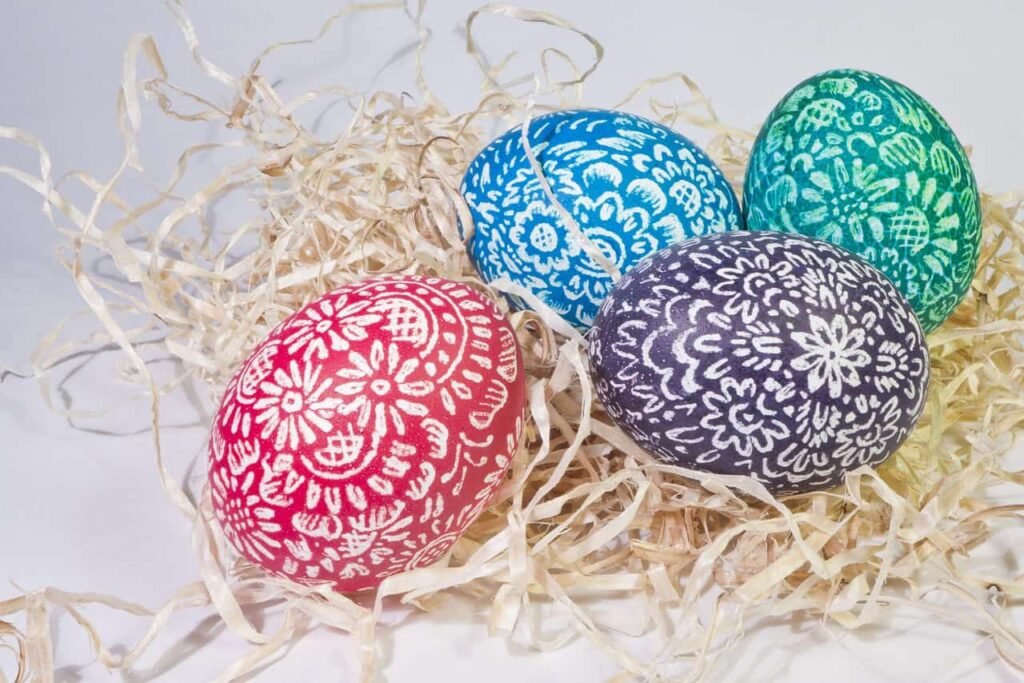
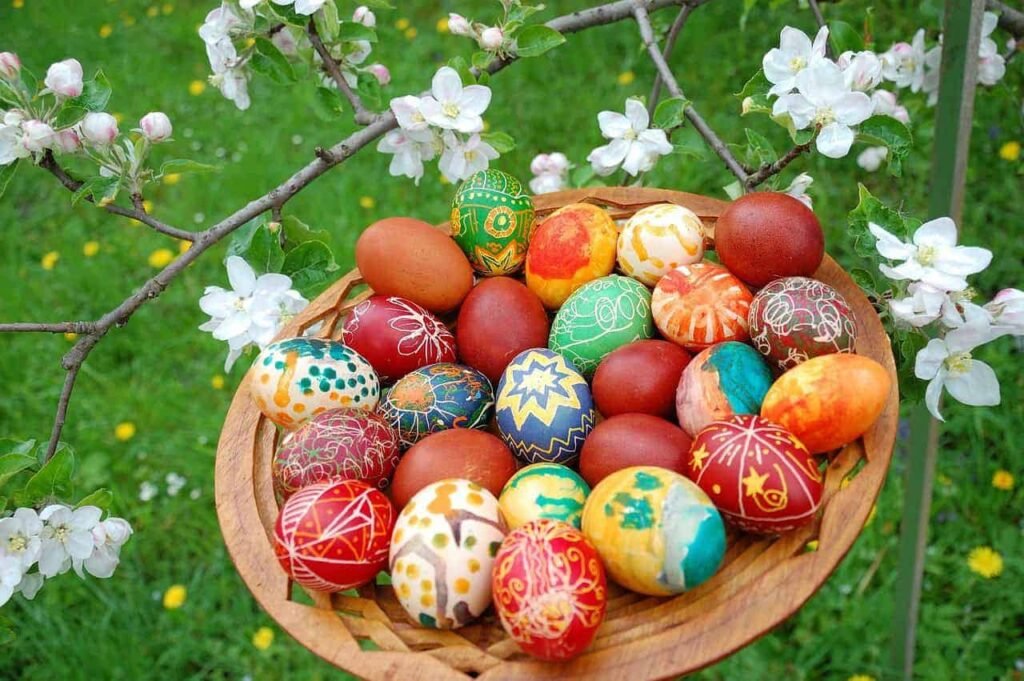
- Egg painting ( painting eggs is a favorite activity for both kids and adults ).
- Pomlázka and caroling ( see more details in Easter Monday description)
- Visiting family members
Green Thursday
Tradition says you should eat green food for good health. Long ago, young women washed their faces in streams to stay beautiful. People also eat jidáše on this day.
Good Friday
Good Friday remembers the crucifixion of Jesus Christ. As a result churches hold services and processions. People also prepare Easter food at home. Old legends say that at 3:00 pm, mountains and rocks open and reveal hidden treasures. Traditions say you should not work with soil ( it reminds of digging a grave), wash laundry ( it would soak in Christ’s blood) and borrow anything ( it could bring bad luck)
White Saturday
This day is all about preparation. Of course, people bake cakes ( easter lamb cake and mazanec), paint eggs, and braid pomlázka from young willow branches. Eggs are the main Easter symbol. In fact they stand for spring and new life. For this reason women give them to carolers on Easter Monday. You can see decorated eggs and pomlázka at Easter markets.
Easter Sunday
Believers go to church in the morning, later families meet later for a festive lunch. People used to bless food and eggs in church, then families shared them together. Tradition says you should not clean or do laundry on this day and you should wear new or festive clothes.
Easter Monday
Finally comes Easter Monday, the most traditional day. In villages, small boys and men go from house to house with pomlázka (a braided willow whip). They sing easter carol and lightly whip women. In villages, small boys and men go from house to house with pomlázka (a braided willow whip). They sing easter carol and lightly whip women. In return, they receive painted eggs, ribbons, sweets, or a small drink. For many locals, it is a social event as neighbors visit each other and chat.
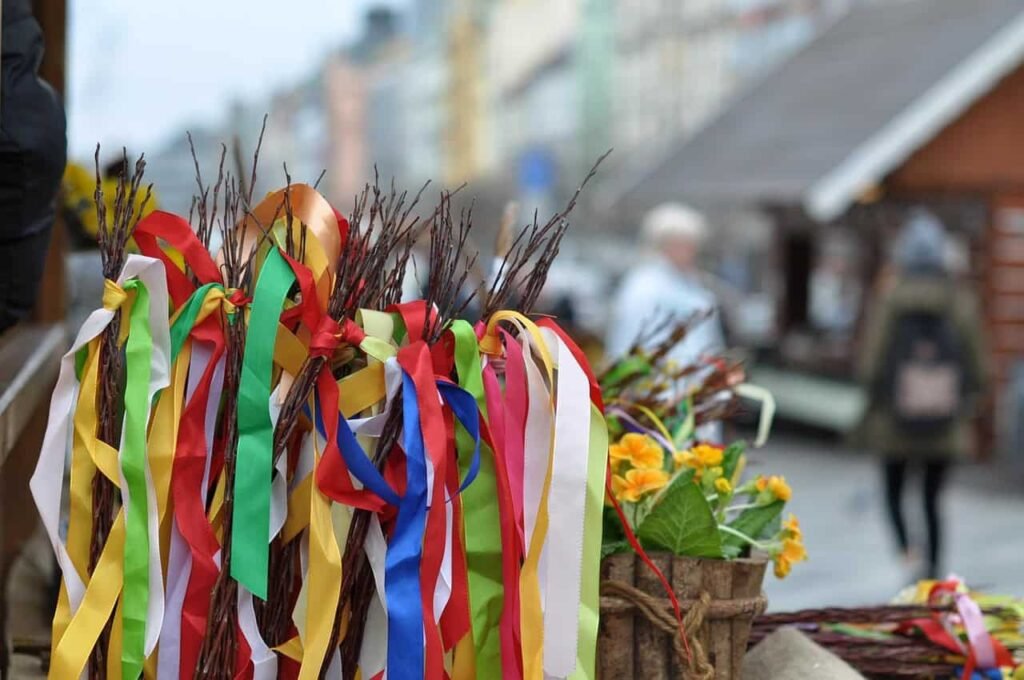
Many visitors find this tradition surprising. It may look strange, but it is not violent. In fact the whipping is symbolic hence willow branches are believed to bring health, luck, and youth. In the past, young men also used pomlázka to show interest in girls. Additionally ribbon colors had meaning: red meant love, blue hope, green friendship and finally yellow which showed no interest.
In some villages, people also splash girls with water. This old pagan tradition brings health and beauty. Also in some places, girls splash boys too.
If you are visiting Prague at this time, just walk through the markets, taste something sweet, and enjoy the city. Prague in spring has a special charm. We hope you enjoy your stay — and wherever you are spending the holidays, we wish you a happy Easter, lots of sunshine, and a beautiful start to spring
Celebrate Easter 2026 in Prague: Markets and Traditions
Easter in Prague and the Czech Republic Easter is an important holiday in the Czech…
History of Prague
Prague has grown for more than a thousand years, starting as small settlements on the…
Basic information for travelers
Here are some useful basics for travelers heading to Prague : Language: Czech is the…
Best Christmas Markets and Events in Prague 2025
Christmas in Prague: A Magical Time of Year The Advent and Christmas season is truly…
Prague Landmarks: The Top Attractions for First-Time Visitors
Exploring the city of Prague, the enchanting capital of the Czech Republic, is one of…