Prague has grown for more than a thousand years, starting as small settlements on the Vltava and slowly becoming the city we know today. The legends talk about Princess Libuše, but the real story begins with early tribes ( germanic and celtic), later joined by the Slavs who built the first foundations of the city in the 6th century.
Prague truly came alive thanks to its position on old trade routes. In the 9th century Prague Castle rose above the river, followed by Vyšehrad, and the city quickly became a lively place full of merchants and travelers.
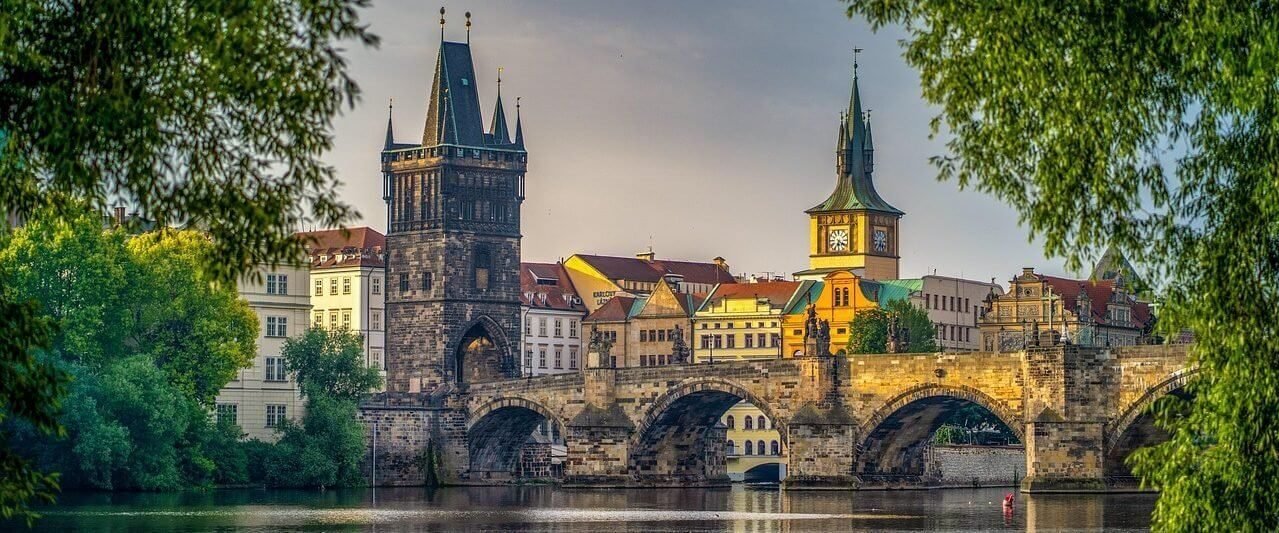
The biggest transformation came in the 14th century, when Charles IV decided to make Prague the heart of his empire. He founded Charles University, built New Town and Charles Bridge, and filled the city with the Gothic landmarks that still shape its skyline.
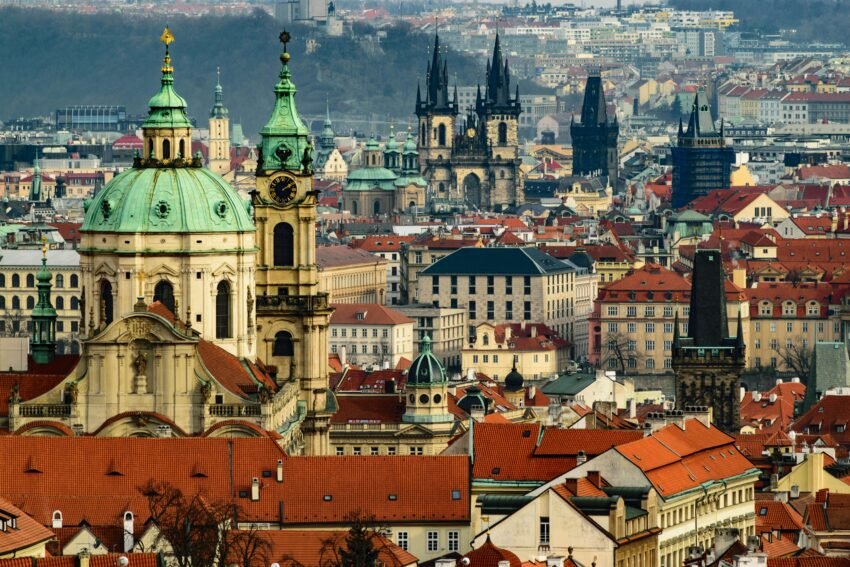
Over time Prague became a mix of Czech, German, and Jewish cultures. The historic quarters—Hradčany, Malá Strana, Staré Město and Nové Město—were joined into one city in 1784, creating the Prague we walk through today, full of Baroque churches and elegant old streets.
The 20th century brought painful years: Nazi occupation, the loss of much of the Jewish and German communities, and decades of communism. After the Velvet Revolution in 1989, the city opened up again and slowly rediscovered its cosmopolitan spirit.
Today Prague is a modern European capital, but still feels like a place where every corner remembers its past. It’s this mix of history, beauty, and ordinary everyday life that makes the city so easy to love.