
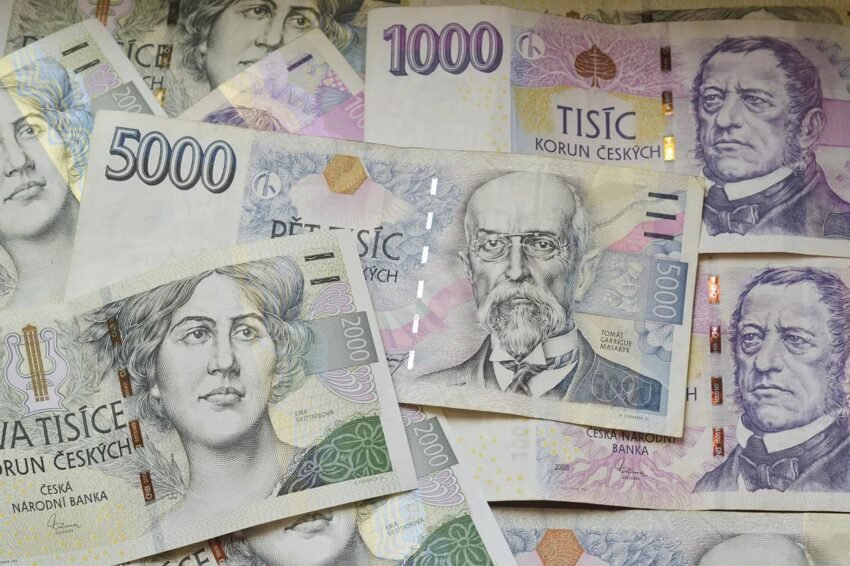
Local currency – Czech koruna (Czech crown)
Although the Czech Republic has been part of the European Union since 2004, the country still uses its own currency. The euro has not been adopted. The official currency is the Czech koruna (česká koruna), abbreviated as CZK or shown with the symbol Kč.
Current exchange rate
At the moment (December 2025), 1 euro is worth approximately 24.5 CZK, 1 US dollar around 20 CZK, and 1 British pound about 27.90 CZK. These rates change slightly every day, but they give visitors a good idea of the value of money in Prague. Exchange rates depend on global markets and demand and are updated in real time by banks and exchange services.
Czech banknotes come in values of 100, 200, 500, 1,000, and 2,000 CZK. Coins are used for smaller payments and are available in 1, 2, 5, 10, 20, and 50 CZK. Coins are used very often, especially for public transport, coffee, beer, or small food purchases. Some places, such as public toilets, still require coins, so carrying small change is useful.
For better price comparison, the average monthly salary in Prague is currently about 61,000 CZK, while the national average is around 50,000 CZK per month.
In Prague, some places accept euros, mainly hotels, souvenir shops, and restaurants in the historic city center. However, these places usually use very unfavorable exchange rates. Because of this, paying in euros or other foreign currencies, including US dollars, is not recommended. You will almost always save money by paying in Czech koruna.
How much do things cost in Prague?
Prague, and the Czech Republic in general, is still considered a relatively cheap destination for foreigners, especially compared to other European capitals in recent years. This is especially noticeable if you eat outside the city center or visit smaller towns. In the historic center, many restaurants and shops have adjusted prices for tourists, so prices are higher than average. If you see prices above the examples below, this is normal in central areas.
Food & Drink
Lunch in a regular restaurant usually costs between 150 and 250 CZK, especially if you choose a daily lunch menu. Dinner in a better restaurant typically ranges from 300 to 600 CZK. A simple soup costs around 40 to 70 CZK, while fast food menus usually cost 150 to 200 CZK.
Beer remains one of the cheapest items in Prague. A half-liter in a traditional pub usually costs 40 to 70 CZK. Coffee is more expensive than beer and typically costs 60 to 90 CZK, depending on location and quality.
Basic groceries are also affordable. A loaf of bread costs around 30 to 40 CZK, milk (1 liter) costs 20 to 30 CZK, and a half-liter bottle of water costs about 20 to 30 CZK. These prices make supermarket shopping a good option for travelers staying in apartments or Airbnbs.
Accommodation
Accommodation prices depend mainly on location, season, and comfort level. Budget travelers staying in hostels or shared rooms usually pay 400 to 800 CZK per night. Cheap hotels or guesthouses typically cost 900 to 1,500 CZK per night.
A standard 3–4 star hotel usually costs between 1,800 and 3,500 CZK per night. Airbnb apartments are also popular and often fall within the same price range, depending on size and location. Staying outside the city center can significantly reduce costs while still offering good transport connections.
Transportation and getting around
Public transport in Prague is reliable, clean, and affordable. A single ticket costs 30 to 40 CZK, depending on validity time. A full-day ticket costs approximately 120 to 150 CZK and allows unlimited travel on metro, trams, and buses.
Taxi prices vary, but a short ride within the city usually costs 150 to 300 CZK. Using licensed taxis or ride-hailing apps is the best option, as they provide upfront pricing and reduce the risk of misunderstandings.
For travel outside Prague, trains are a popular choice. For example, a ticket from Prague to Brno usually costs 300 to 600 CZK, depending on the train and booking time.
Sightseeing and entertainment
Prague offers many cultural experiences at reasonable prices. Entrance fees to museums and historical monuments usually range from 150 to 300 CZK. Castles and chateaux typically charge 200 to 350 CZK.
Cinema tickets usually cost 180 to 250 CZK. Theater tickets vary more widely, depending on the performance, and range from 300 to 1,000 CZK. Compared to many Western European cities, entertainment in Prague remains affordable.
Payment cards in the Czech Republic
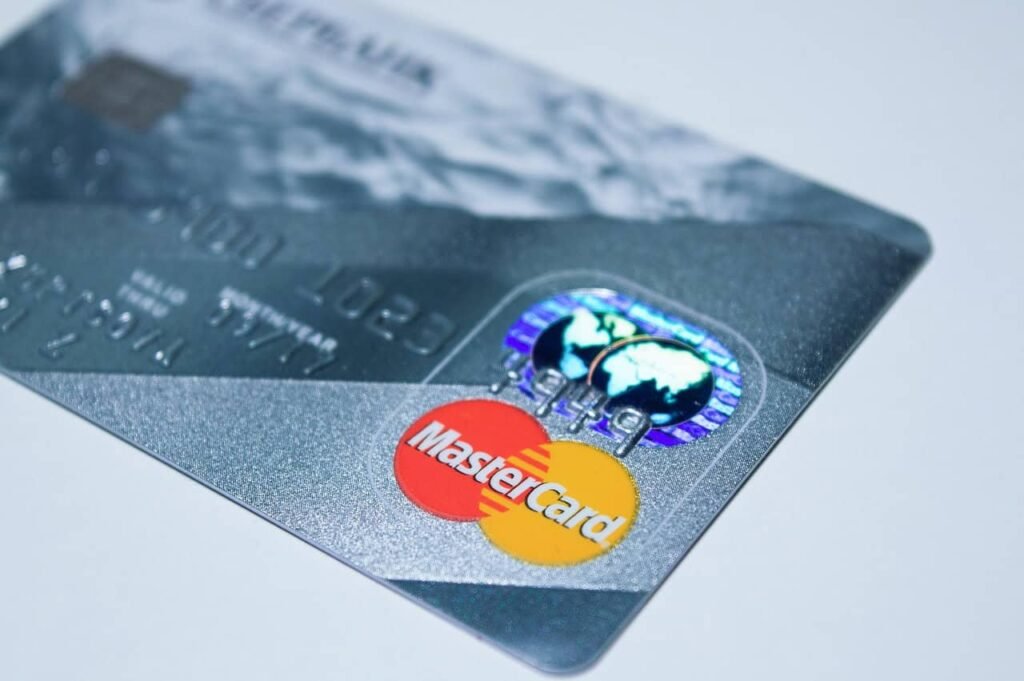
Visa and Mastercard are widely accepted across the Czech Republic, including at popular tourist spots like Charles Bridge. Restaurants, hotels, shops, and cafés usually accept card payments. Some places also accept American Express, but it is less common.
However, many small shops, cafés, and market stalls still do not accept cards. It is wise to carry some cash, but not too much, as pickpocketing can occur.
Small businesses often avoid card payments because of high transaction fees, terminal rental costs, and maintenance expenses. For businesses with low profit margins, these costs can be significant.
Exchange offices
Never exchange money on the street. Most exchange offices in Prague offer very unfavorable rates and charge high commissions. Be cautious with offices advertising “0% commission,” as they often use the worst exchange rates. Many of these offices are located on Wenceslas Square, Old Town Square, and near Prague Castle.
If you need to exchange money, the exchange office at Náměstí Franze Kafky 2 (Prague 1) is known for competitive rates. It is open daily from 9 AM to 8 PM, and on weekends and public holidays from 9 AM to 6 PM. Banks and post offices are also safe options, although their rates may vary.
ATM machines in Prague
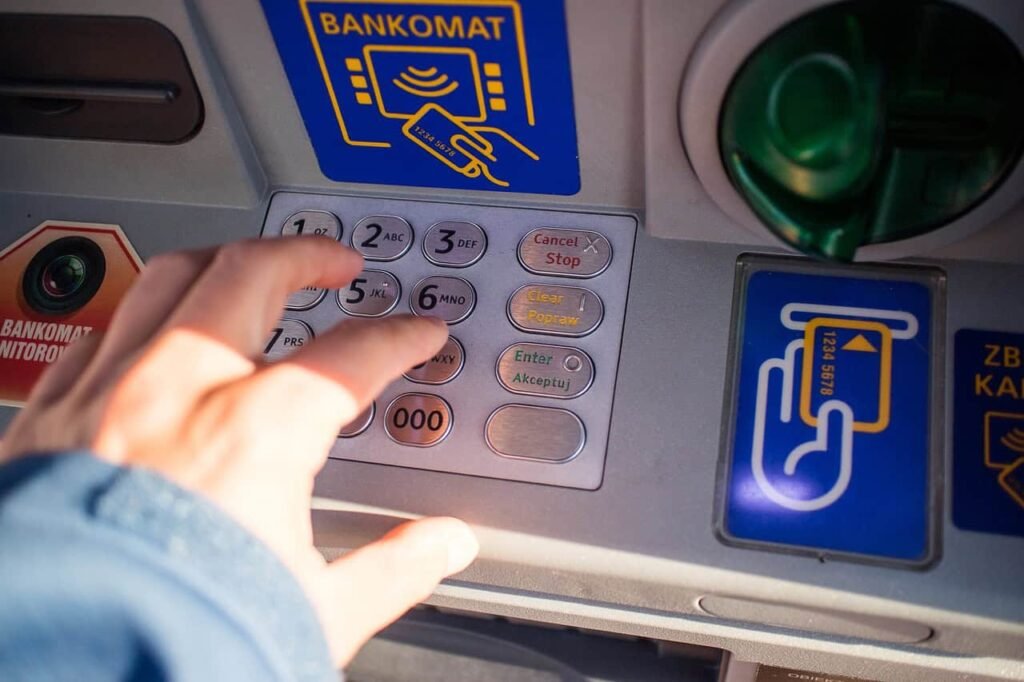
Prague has many ATMs on streets, in banks, shopping malls, and metro stations. Most accept international cards such as Visa, Mastercard, Maestro, Cirrus, and Plus.
Use only ATMs with bank logos, such as Česká spořitelna, ČSOB, Komerční banka, Raiffeisenbank, Moneta, Air Bank, Fio Bank, UniCredit Bank, or Citibank. When withdrawing money, the ATM may offer currency conversion. Always choose “without conversion,” as your bank will usually provide a better exchange rate.
Be especially careful with Euronet ATMs. These machines charge high fees and use poor exchange rates. If you are not careful, you can lose up to 20% of your transaction value.
Tipping in the Czech Republic
Tipping is common in the Czech Republic, but it is not mandatory. In restaurants, a tip of 10% is standard. And if you are very satisfied with the service/food or in better restaurants, tips of up to 20% are fine.
It is normal to tip in cafés, bars, and taxis, usually by rounding up the bill. Tips for tour guides, hotel staff, receptionists, porters, and housekeeping staff are also appreciated. Cleaning staff are often overlooked, even though their work is physically demanding and poorly paid.
Tipping is expected but never required. If you are not satisfied with the service, you do not need to leave a tip.
Celebrate Easter 2026 in Prague: Markets and Traditions
Easter in Prague and the Czech Republic Easter is an important holiday in the Czech…

History of Prague
Prague has grown for more than a thousand years, starting as small settlements on the…
Basic information for travelers
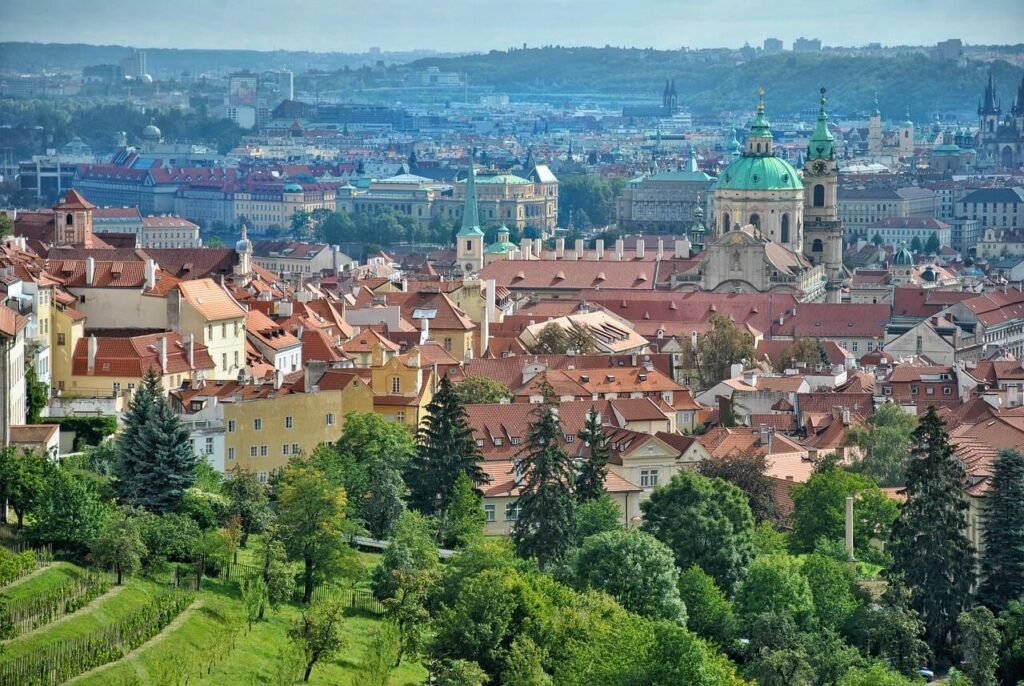
Here are some useful basics for travelers heading to Prague : Language: Czech is the…
Best Christmas Markets and Events in Prague 2025
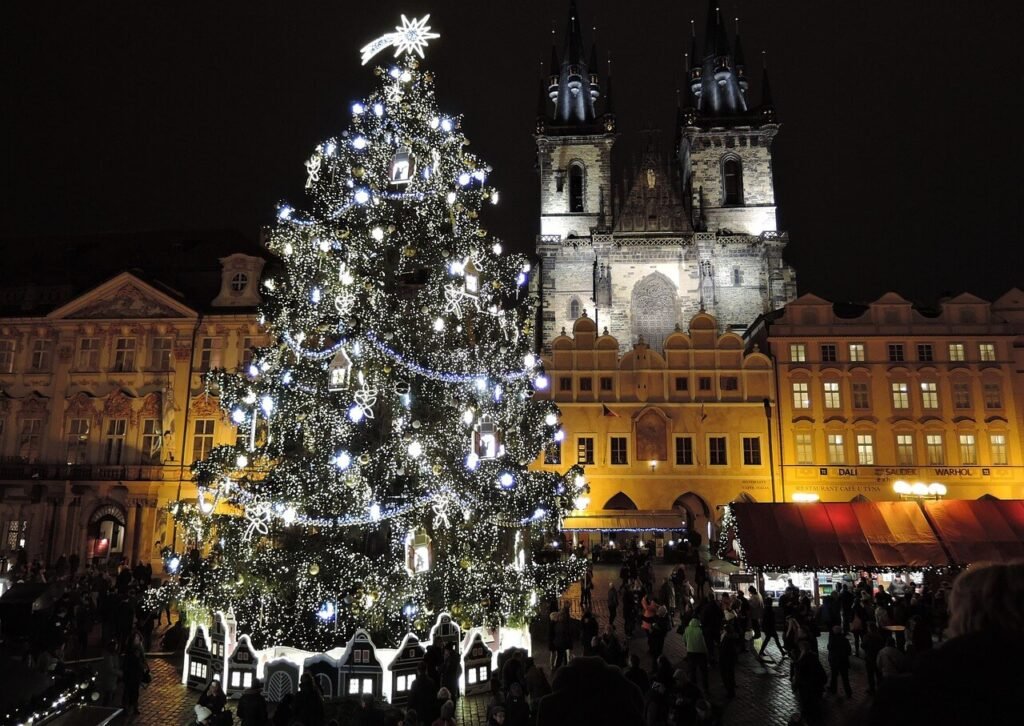
Christmas in Prague: A Magical Time of Year The Advent and Christmas season is truly…

Prague Landmarks: The Top Attractions for First-Time Visitors
Exploring the city of Prague, the enchanting capital of the Czech Republic, is one of…