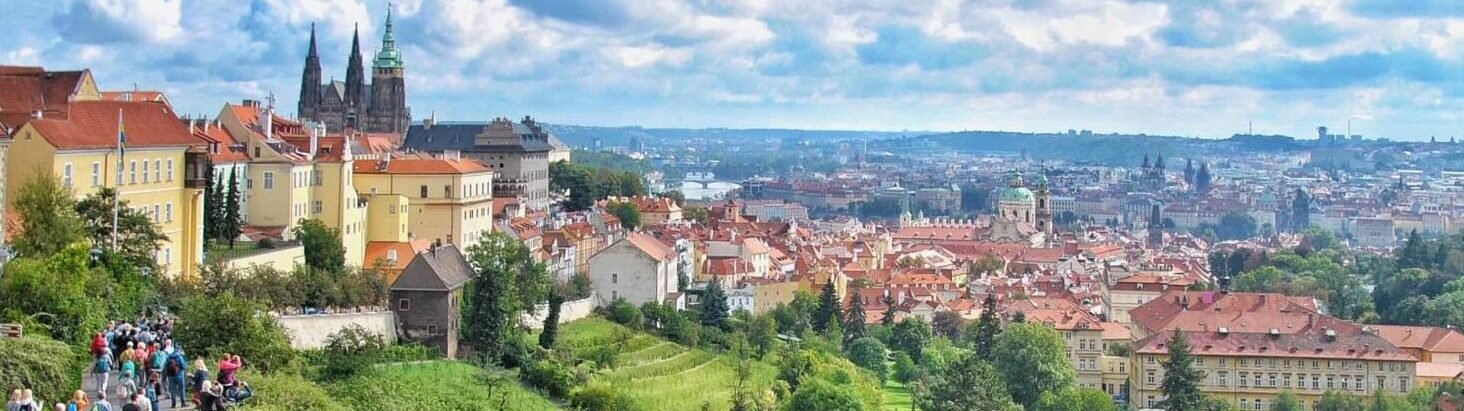
Many travelers think they need to stay in the city center to enjoy Prague. In reality, Prague is a small city with excellent public transport, so you can reach the center very quickly from many residential neighborhoods. If your accommodation is close to a metro or tram stop, you can be at Old Town Square in just a few minutes.
It is good to know that every neighborhood in Prague has both beautiful and less attractive corners, even the most expensive and prestigious areas. Transport connections can also vary a lot from one street to another. Before you book your stay, always ask for the exact address. Take a virtual walk around the area on Google Maps and check how close the nearest metro or tram stop is. This can make a big difference during your trip.
Why Staying Outside the Center Is a Great Idea
Staying outside the historic center comes with many advantages. Accommodation is usually much cheaper. Many bnb apartments are managed directly by local hosts, not companies, so hosts often care more about the quality of the stay. You can enjoy a more authentic side of Prague, with local people, quiet streets, peaceful evenings, and better sleep. These neighborhoods also have fewer tourists and much lower prices in restaurants, cafés, and shops. Another big advantage is the closeness of supermarkets, local shops and beautiful parks ( perfect for walks, sports, children, or dogs ).
Things to Keep in Mind
Of course, there are also a few disadvantages. You will need to travel to and from the city center by metro, tram, taxi, or a longer walk. Public transport tickets and taxis are very affordable in Prague, but they are still an extra cost to consider. If you love ancient history and want to see historic buildings at every step, residential neighborhoods may not give you the same atmosphere as the Old Town. Outside the center, you will also find a smaller selection of nightlife and late-night bars.
Staré Město ( Old Town )
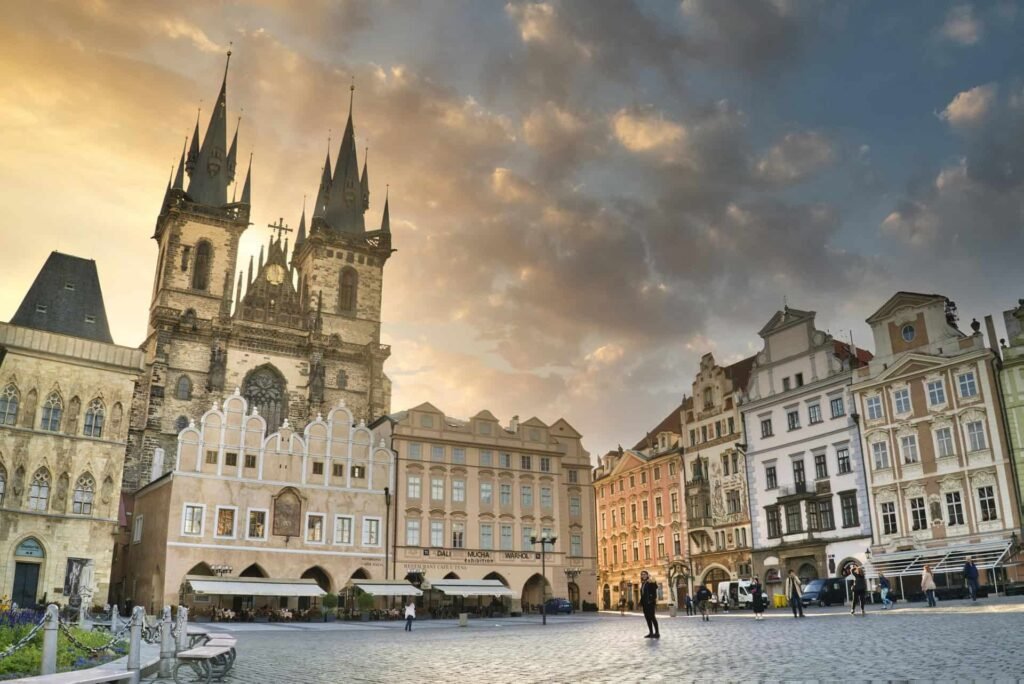
Prague Old Town (Staré Město) is the historic center of Prague and one of the city’s most popular tourist areas. With its medieval streets, beautiful architecture, and historic landmarks, it attracts visitors from all over the world. The heart of the district is Old Town Square. The area is full of luxury shops, elegant restaurants, and some of the best bars in Prague. Busy from morning until late at night, Old Town offers a lively atmosphere with crowds of tourists, street performers, and outdoor cafés.
Malá Strana ( Lesser Town)
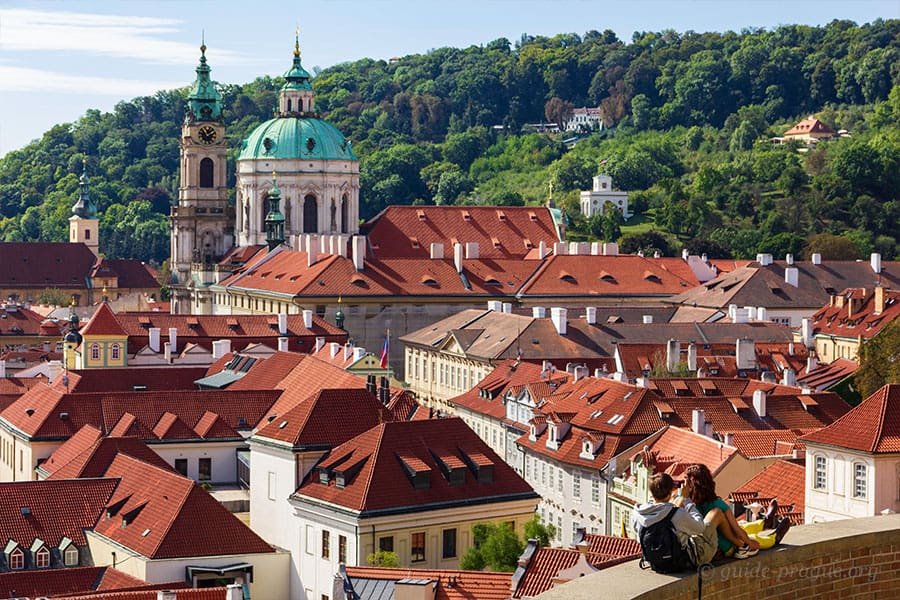
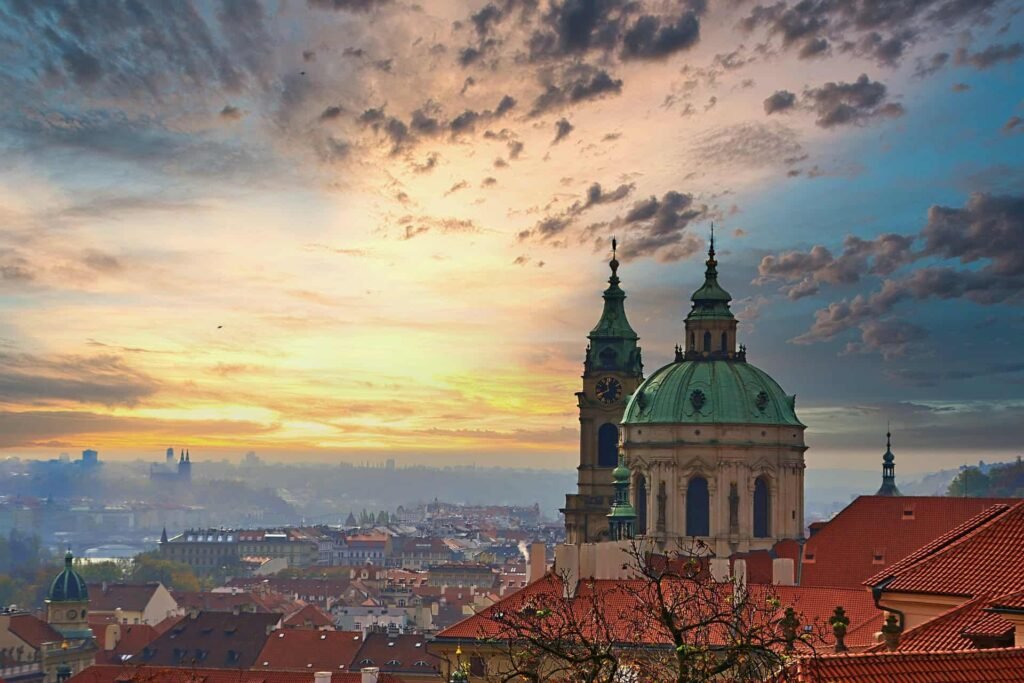
Malá Strana is one of the oldest and most beautiful districts in Prague. It is famous for its charming cobbled streets, romantic atmosphere, and stunning Baroque architecture. The district was rebuilt after fires in the 15th and 16th centuries.
Although Malá Strana is located in the city centre, it feels quieter and more peaceful than the Old Town. Its winding streets lead to hidden corners, gardens, cafés, and traditional Czech pubs.
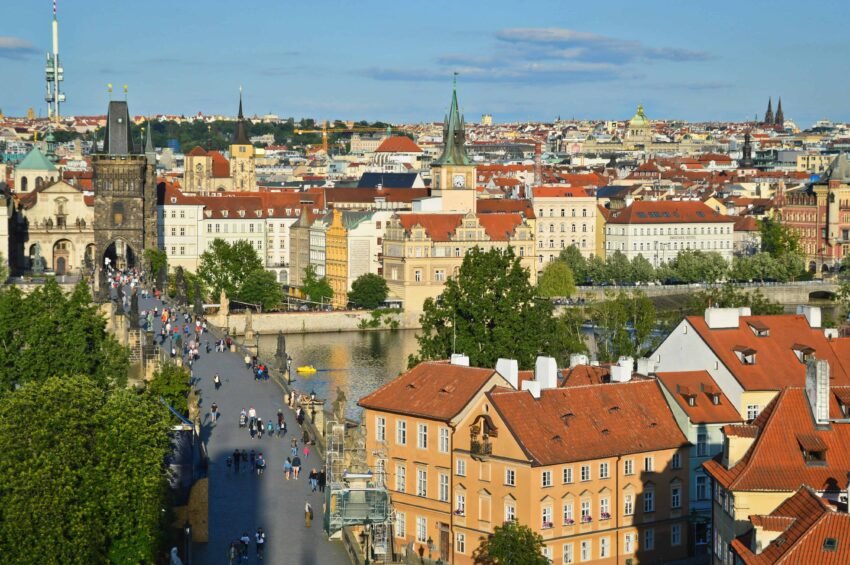
The district is also home to the famous Charles Bridge and Prague Castle.
Nové Město (New Town)
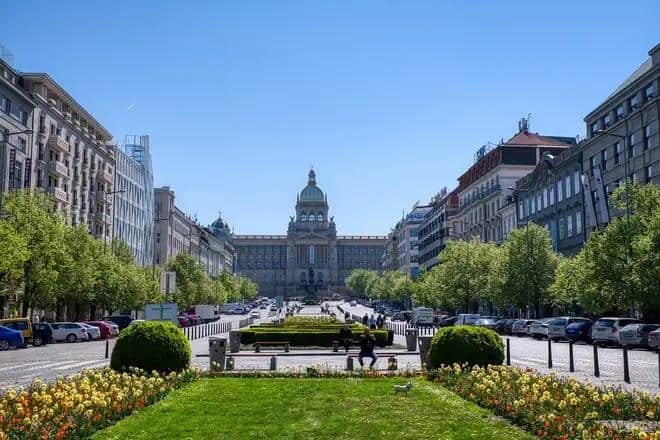
Nové Město, or New Town, is one of the liveliest districts in Prague. It is located right next to Old Town and forms part of Prague’s historic centre. The district was founded by Charles IV in the 14th century.
The district is known for its wide boulevards, historic buildings, shopping streets, and vibrant atmosphere. Its main landmark is the famous Wenceslas Square, lined with shops, restaurants, cafés, and hotels.
Although it is called “New Town,” the area still follows a street plan created more than 700 years ago. Today, Nové Město is considered the commercial and cultural heart of Prague. It has excellent transport connections and easy access to the city’s main attractions.
Žižkov
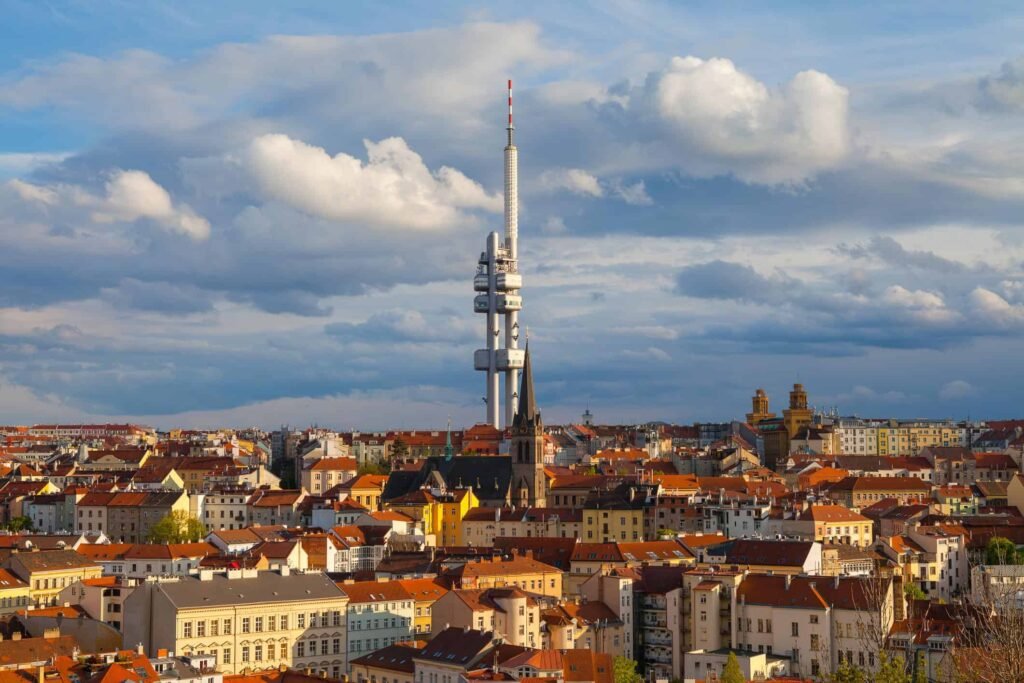
Žižkov is one of the most unique and characterful neighbourhoods in Prague. It developed in the second half of the 19th century as a working-class district built for workers from nearby factories.
Žižkov has narrow, steep streets, irregular blocks, and old apartment buildings with shared courtyards. Its location on a hillside gives it a very distinct, slightly chaotic but charming atmosphere.
Historically, it was known as a lively and rough neighbourhood full of workers, immigrants, pubs, and small businesses. Over time, it became famous for having one of the highest densities of bars in Europe, giving it a strong nightlife culture.
Today, Žižkov is a mix of old working-class buildings, creative spaces, student life, and new cafés. It is often described as alternative, lively, and a bit edgy, while still being close to the city centre and very well connected.
Vinohrady
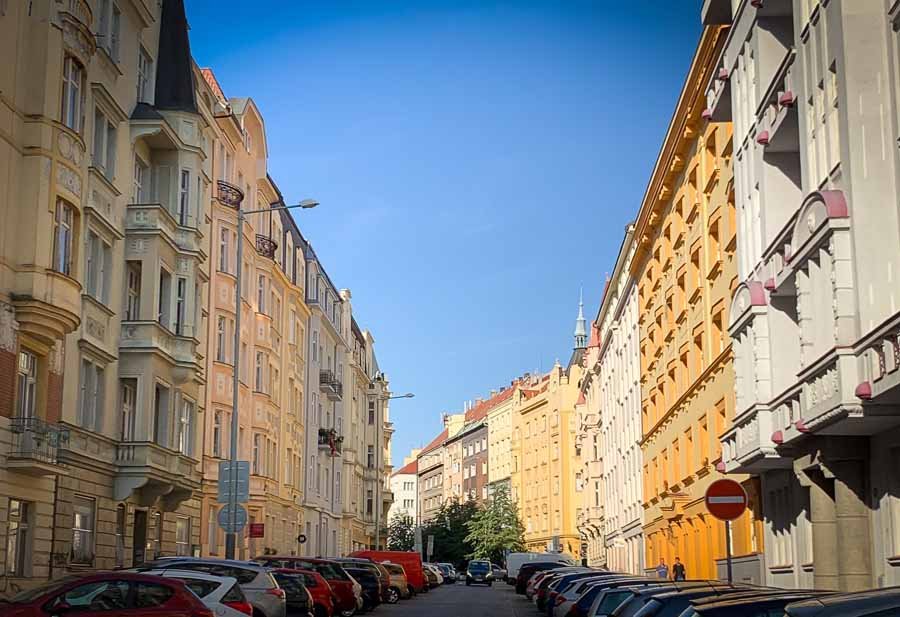
Vinohrady (literally “vineyards”) is one of the most desirable residential areas in Prague. The history of the area goes back to the 14th century, when vineyards were planted here by the king Charles IV.
Today, Vinohrady is known as a leafy, upscale neighborhood full of elegant Art Nouveau buildings, quiet streets, and a relaxed but stylish atmosphere. It lies just outside the historic centre, close to both Old Town and New Town, but feels more local and less touristy.
The area is popular for its cafés, international restaurants, wine bars, and parks.
It is considered one of the best areas in Prague for quality of life. It combines greenery, great food, and beautiful architecture.
Karlín
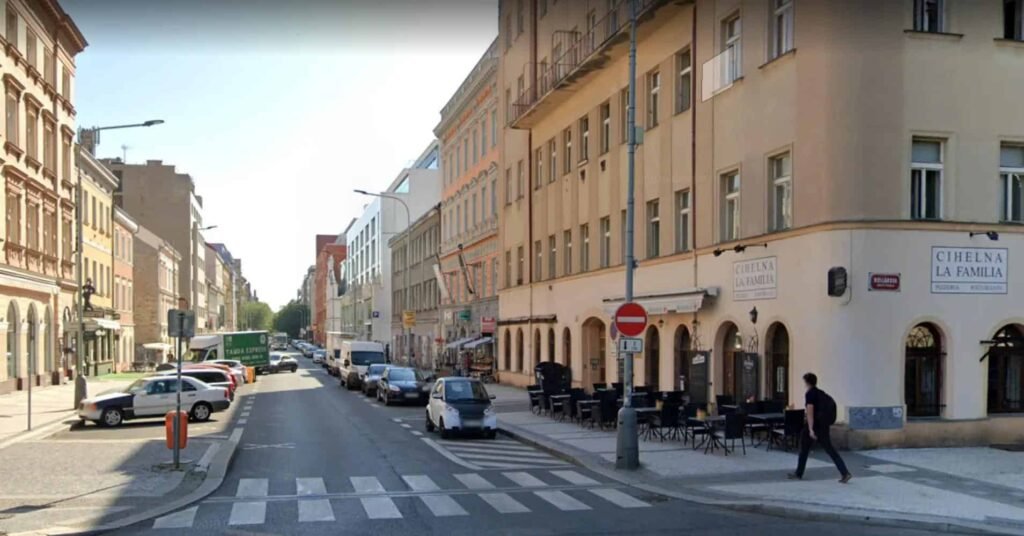
Karlín is one of the most interesting neighbourhoods in Prague for visitors who want to see a more local and modern side of the city. It is located in Prague 8, just a few minutes from Old Town by metro or tram.
The district was heavily damaged by the 2002 floods and has since been completely transformed. Today, Karlín combines beautifully restored historic buildings with modern architecture, creating a strong mix of old and new Prague.
Once an industrial and working-class area, Karlín is now known for its stylish cafés, brunch spots, wine bars, craft beer places, and contemporary restaurants. At the same time, you can still feel its industrial past in the wide streets and original architecture.
Nusle
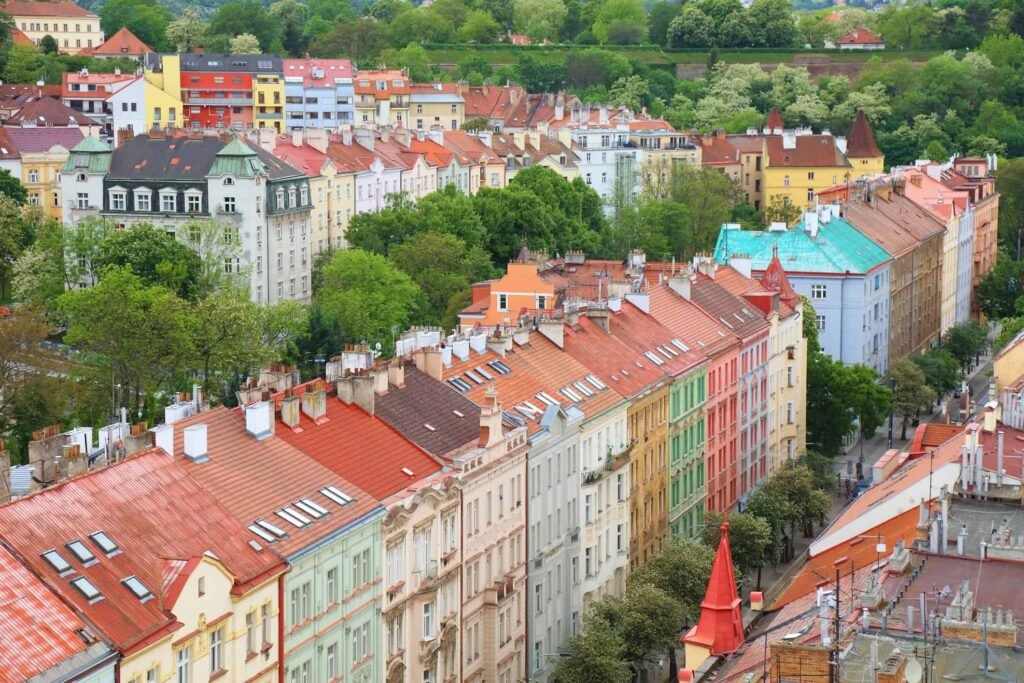
Nusle is a great Prague neighbourhood if you want a more local and authentic atmosphere while still staying very close to the city centre. It is only about 8 minutes by tram from Wenceslas Square.
The district is known for its mix of beautiful Art Nouveau and Neo-Renaissance apartment buildings, colourful facades, and old villas. It has a long history, once being a more village-like area with vineyards and later an important residential and industrial district.
Today, Nusle keeps a strong local character. There are lot of traditional Czech pubs, local restaurants, and small cafés where locals still gather.
Vršovice
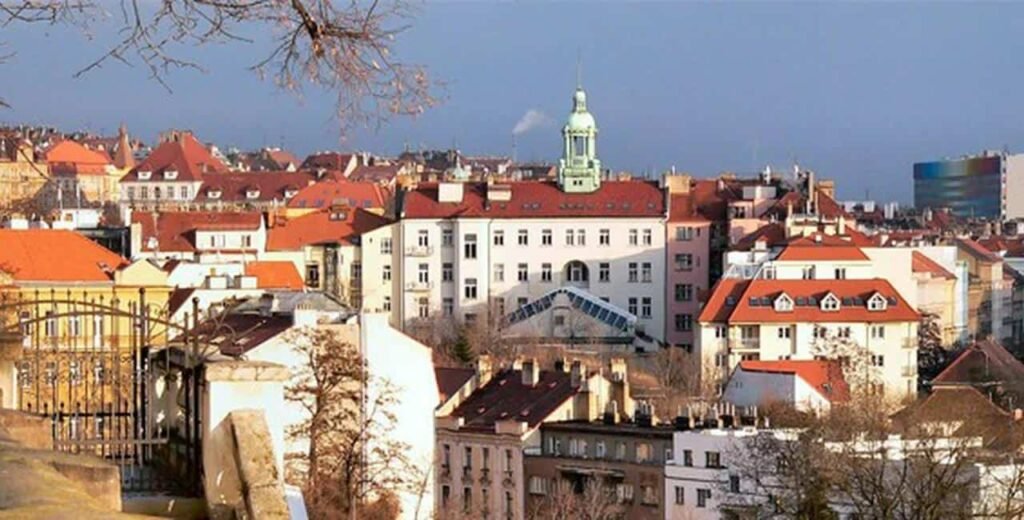
Vršovice is a stylish and very local neighbourhood in Prague, often called the “Prague Paris” because of its elegant streets and architecture.
Most of the area was built in the late 19th and early 20th centuries, which is why it is full of Art Nouveau and early modern buildings, villas, cafés, wine bars, and small shops. Streets like Krymská are especially known for their creative, relaxed atmosphere.
Vršovice feels trendy but still lived-in, with a strong local vibe and plenty of everyday life. Even without a metro station, it is well connected to the city centre by tram, making it an easy and interesting place to explore or stay.
Smíchov
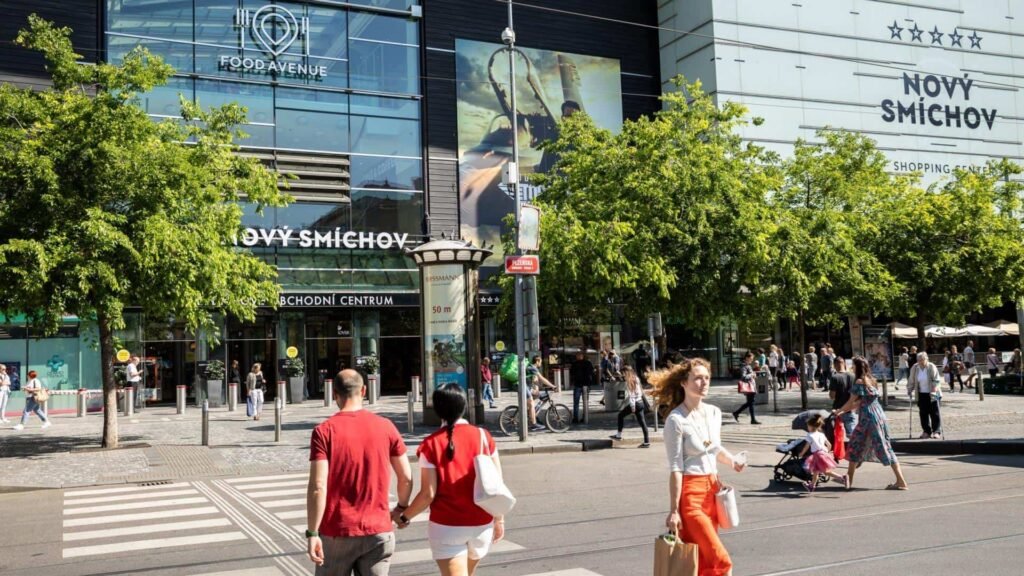
Smíchov is a lively and practical district on the left bank of the Vltava River. It is close to Malá Strana and not far from Vyšehrad. It was once an industrial area. But today it is a modern part of Prague where old buildings stand alongside new offices, shops, cafés, and restaurants.
The centre of the district is Anděl. It is one of Prague’s main transport hubs, with metro, trams, buses, and a nearby train station. This makes Smíchov extremely well connected and easy to reach from anywhere in the city.
Today, Smíchov is known for its shopping centres, local pubs, cafés, and everyday city life. While still being very close to all major attractions, it is a convenient base for exploring Prague.
Unfortunately, in recent years, Smíchov, especially the Anděl area, has become a popular place for people with drug addiction. They often hang around the metro station, the nearby bus terminal, and the train station.
Despite this, I still recommend this neighborhood. It is simply a great place with its own unique atmosphere.
Holešovice
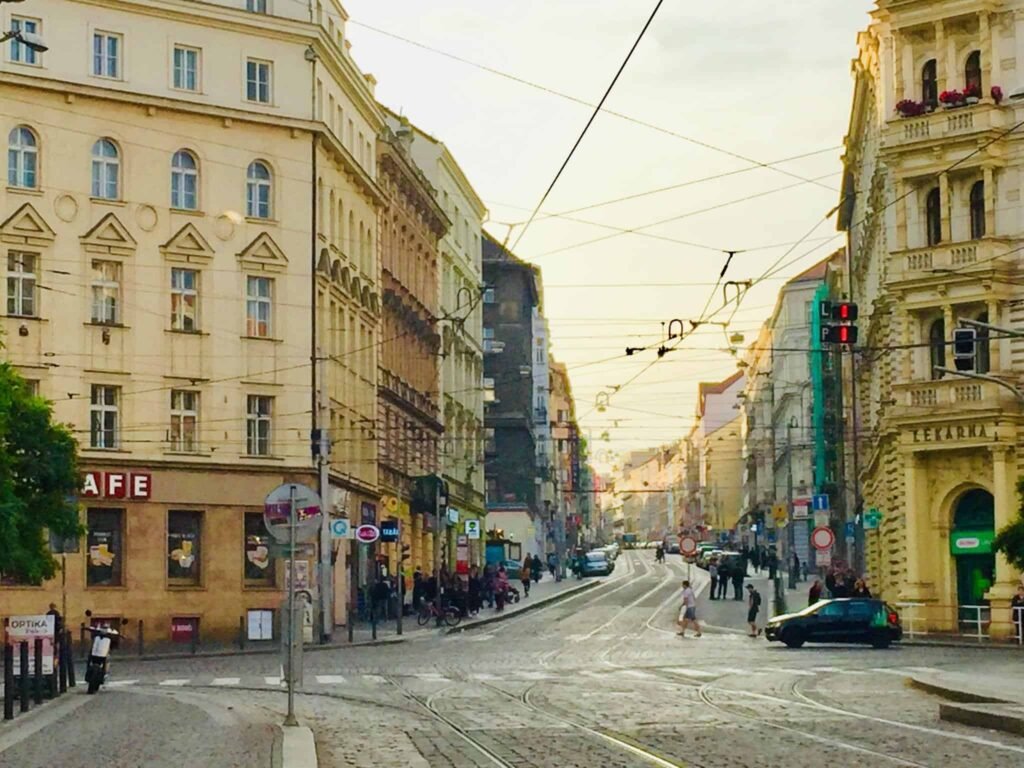
Holešovice is a former industrial district that has transformed into one of the city’s main creative and cultural areas.
Old factory complexes, the former slaughterhouses, and the historic port have been renovated into apartments, offices, galleries, and studios for artists, designers, and architects. Today, the area is known for its modern cafés, bistros, design shops, and alternative cultural spaces.
Often called Prague’s “art and culture district,” Holešovice combines industrial history with a strong creative scene. It also benefits from nearby green spaces like Letná Park, known for its views over the city and relaxed beer gardens.
Vyšehrad
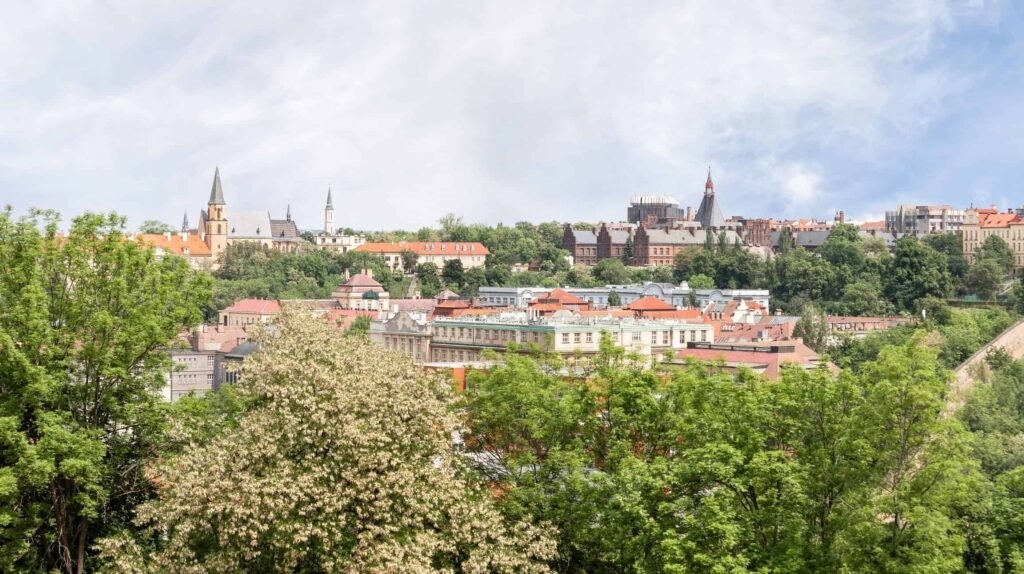
Vyšehrad is a small, leafy residential district in Prague. It sits above the Vltava River, bordering New Town to the north,and across the river from Smíchov.
Vyšehrad is one of the oldest parts of Prague. Originally it was a royal settlement and one of the earliest known inhabited sites in the region. Today, it is mostly a historic area dominated by the Vyšehrad fortress and parks, with very little modern development.
Because of its size and protected heritage, Vyšehrad has kept a quiet, green, and atmospheric character.
Dejvice
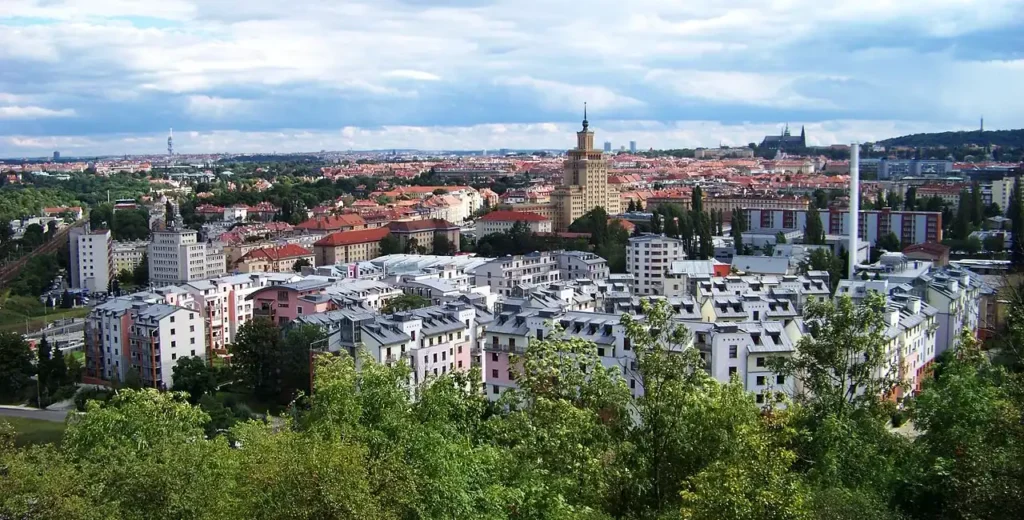
Dejvice is a well-planned and elegant district in Prague. It was developed mainly in the early 20th century during the building boom of the new Czechoslovak state. It was designed as a modern, upscale residential area with wide streets and monumental architecture.
Dejvice is also known for its strong student life, embassies, and international atmosphere.
One of its biggest advantages is green space. The area includes quiet residential zones like Hanspaulka and easy access to Divoká Šárka, a large natural park that feels like escaping the city completely.
Today, Dejvice is considered one of Prague’s most comfortable districts. It combines greenery, good restaurants, excellent transport connections, and a calm but cosmopolitan lifestyle.
Bubeneč
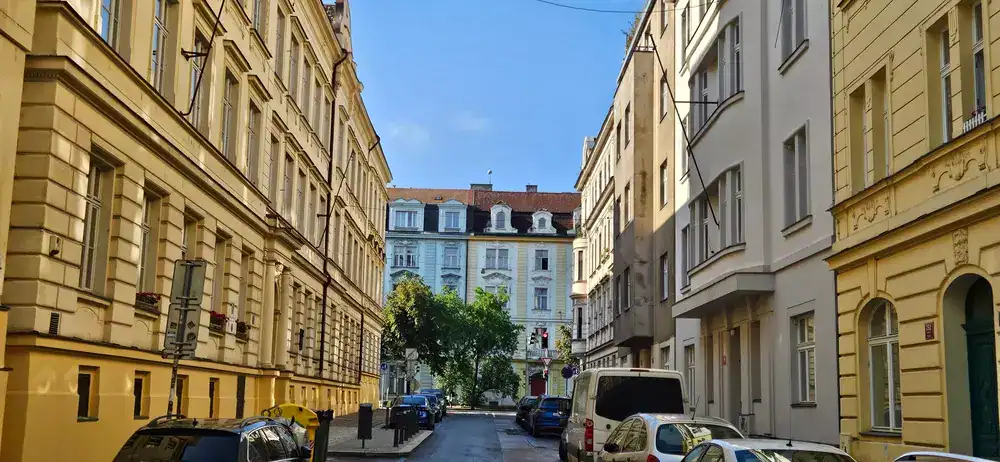
Bubeneč is a quiet and green residential and diplomatic district in Prague. It is known for its elegant villas, embassies, and peaceful atmosphere.
It is located close to Prague Castle and is within walking distance of the city centre. Yet it feels very calm and removed from the busy tourist areas. The neighbourhood is full of Art Nouveau villas, historic mansions, and well-kept gardens.
One of its main highlights is Stromovka Park. It is the largest park in Prague, offering long walking paths, lakes, and plenty of green space. Bubeneč is also popular for its excellent location, family-friendly feel, and strong diplomatic presence.
Where you should not book an accommodation : Prague Areas to Avoid: Where Not to Stay in 2026
Where To Next?

Czech Pub Etiquette: How to Order Beer Like a Local
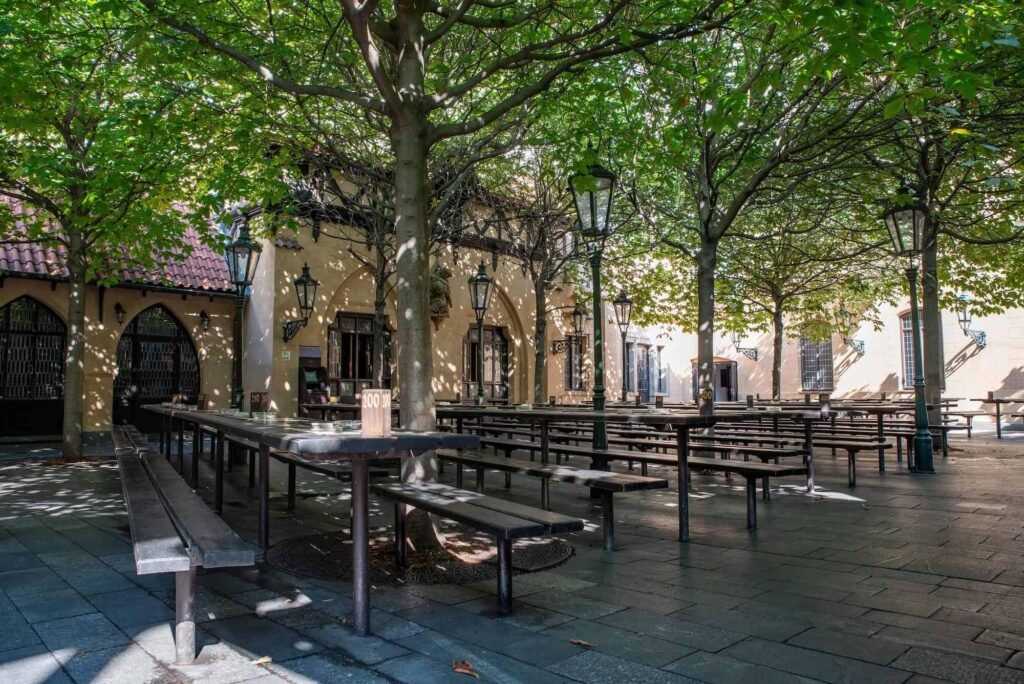
The Best Beer Gardens in Prague to Visit This Summer
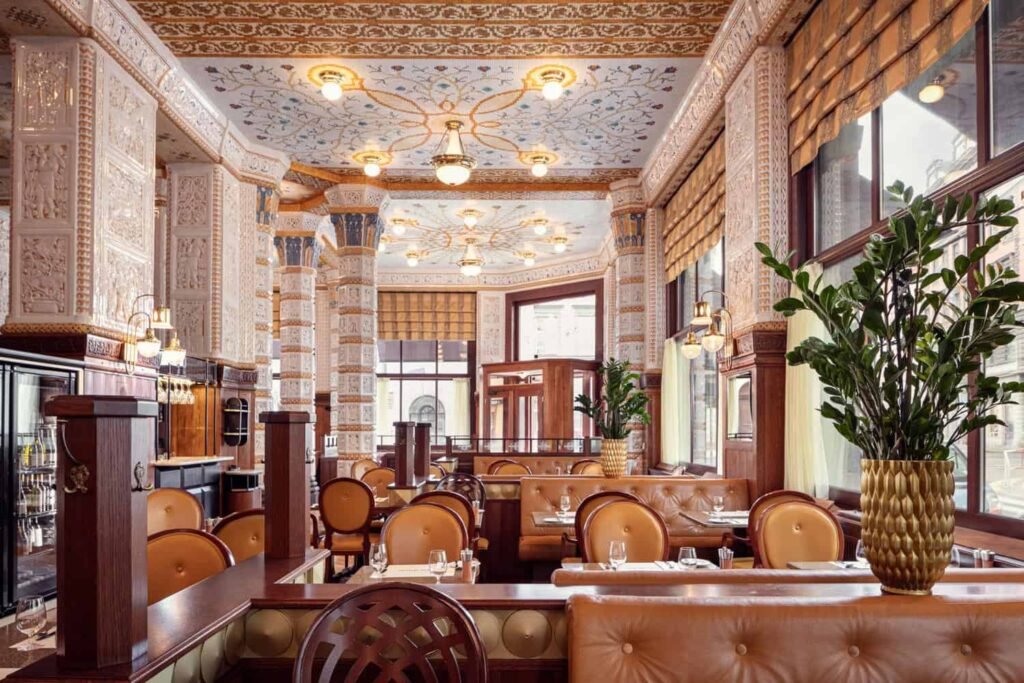
20 Most beautiful historic cafés in Prague (2026)
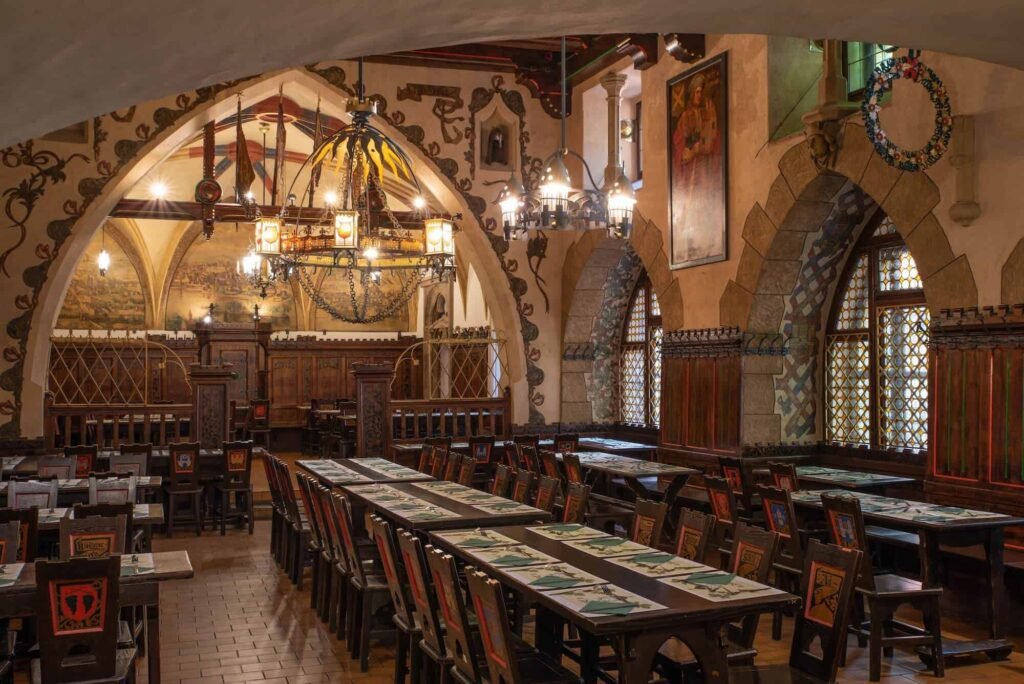
The Oldest Pubs in Prague: Where History Meets Great Czech Beer
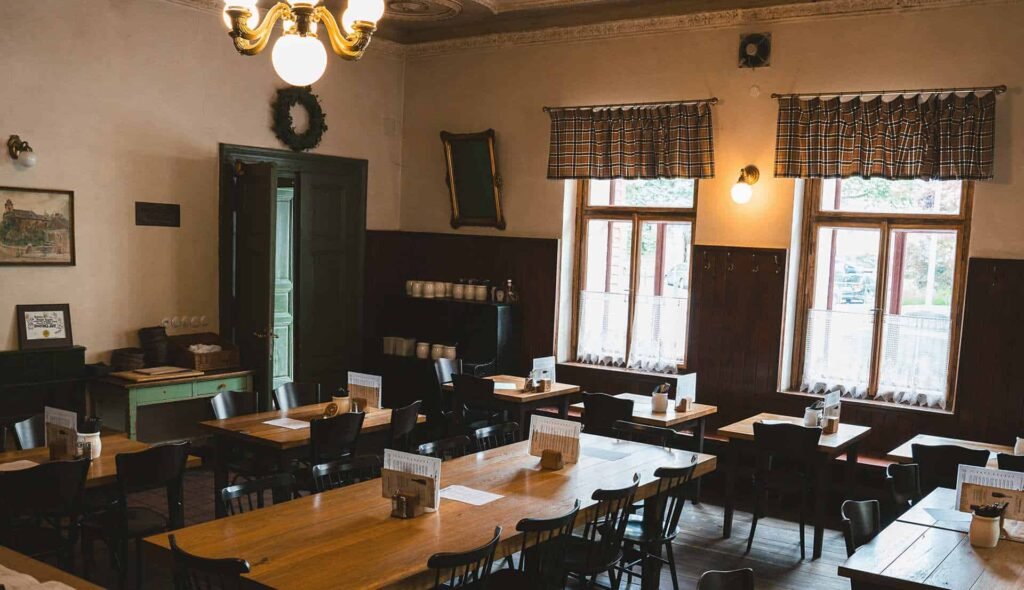
Prague´s Hidden Historic Pubs to Taste Authentic Czech Beer